Search Engine Optimization (SEO) Is The Cornerstone Of Online Visibility. If You’re New To The World Of SEO, This Guide Will Give You A Solid Foundation To Start Optimizing Your Website Effectively. Let’s Break It Down Step-By-Step So You Can Take Your First Steps Toward Higher Rankings And Organic Traffic.
What Is SEO, And Why Does It Matter?

SEO (Search Engine Optimization) Is The Process Of Improving Your Website So That It Shows Up Higher In Search Results On Platforms Like Google. Think Of It Like This: When People Search For Something Online—Like “Best Shoes For Running”—They Usually Click On The Top Results. SEO Helps Your Website Appear In Those Top Spots, Which Means More People Can Find You Without Paying For Ads. The Better Your Site Is Optimized, The More Likely Search Engines Will Recommend It. This Matters Because More Visibility Means More Visitors, More Customers, And Ultimately, More Growth For Your Business
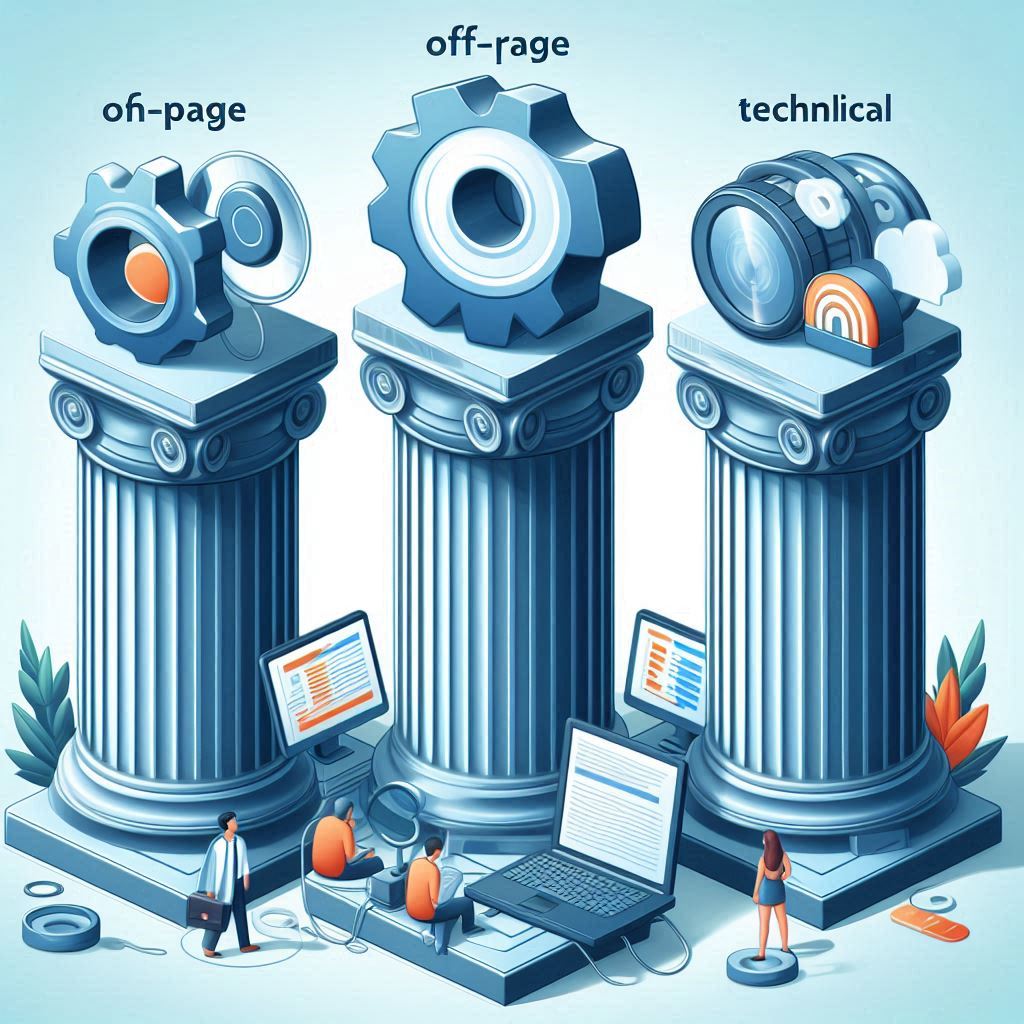
The Three Pillars of SEO: On-Page, Off-Page, and Technical SEO
SEO Has Three Key Parts: On-Page SEO, Off-Page SEO, And Technical SEO. These Three Areas Work Together To Help Your Website Rank Higher On Search Engines Like Google.
On-Page SEO Is About What You Do Directly On Your Website. It Involves Writing Good Content, Using The Right Keywords, And Making Sure Your Pages Are Easy To Read And Navigate. This Helps Search Engines Understand What Your Website Is About.
Off-Page SEO Focuses On Building Your Website’s Reputation. It Includes Getting Other Trusted Websites To Link Back To Your Site. The More Quality Links You Have, The More Search Engines Trust Your Content And Rank It Higher.
Technical SEO Ensures That Your Website Runs Smoothly And Is Easy For Search Engines To Access. This Involves Making Your Site Load Fast, Being Mobile-Friendly, And Having A Clear Structure That Search Engines Can Easily Crawl And Index.
When You Get All Three Pillars Right—On-Page, Off-Page, And Technical SEO—Your Website Will Have A Better Chance Of Ranking Higher And Reaching More People.
There Are Different Tools Available For Each Aspect Of SEO—On-Page, Off-Page, And Technical SEO. Using The Right Tools Can Make Your Optimization Efforts Easier And More Effective.
On-Page SEO Tools Include Yoast SEO For WordPress, Which Helps With Keywords, Meta Descriptions, And Readability. Google Search Console Tracks Your Website’s Search Performance, While Grammarly Ensures Your Content Is Free From Errors. Surfer SEO Also Analyzes Top-Ranking Content And Offers Optimization Suggestions.
Off-Page SEO Tools Focus On Building Links And Monitoring Your Reputation. Ahrefs And SEMrush Help You Find Backlink Opportunities And Track Your Competitors’ Links. BuzzSumo Identifies Content That Attracts Links And Social Shares, Making It Easier To Create Link-Worthy Content.
Technical SEO Tools Ensure Your Website Runs Smoothly. Google PageSpeed Insights Measures Your Page Loading Speed, While Screaming Frog Crawls Your Site To Spot Errors And Improve Structure. GTmetrix Helps Optimize Your Site For Faster Performance, And Mobile-Friendly Test Ensures Your Website Works Well On Mobile Devices.
How to Choose the Right Keywords
Choosing The Right Keywords Is The First Step To Getting Your Website Noticed. Keywords Are The Words And Phrases People Type Into Search Engines To Find What They’re Looking For. If You Use The Right Ones, Your Website Is More Likely To Show Up In Search Results.
Start By Thinking About What Your Audience Might Search For. Use Tools Like Google Keyword Planner Or Ubersuggest To Find Popular Keywords Related To Your Business Or Topic.
Focus On Long-Tail Keywords—These Are Longer And More Specific Phrases, Like “Best Running Shoes For Beginners.” They May Have Less Search Volume, But They’re Easier To Rank For And Often Bring In More Relevant Traffic.
Make Sure To Choose Keywords That Match Search Intent. This Means Understanding If People Are Searching To Learn Something, Buy Something, Or Compare Options. Picking Keywords That Align With What Users Want Increases Your Chances Of Attracting The Right Audience.
Keyword Research Tools
Using The Right Tools For Keyword Research Makes It Easier To Find The Best Keywords For Your Website. These Tools Help You Discover Popular Search Terms, Analyze Competitors, And Understand Search Trends.
Google Keyword Planner Is A Free Tool That Provides Keyword Ideas, Search Volume, And Competition Levels. It’s A Great Starting Point For Beginners.
Ubersuggest Offers Keyword Suggestions, Search Volume, And SEO Difficulty Scores. It Also Shows You What Keywords Your Competitors Are Using.
Ahrefs Is A Powerful Tool For In-Depth Keyword Research And Competitor Analysis. It Helps You Find Keywords With Good Ranking Potential And Tracks Their Performance Over Time.
SEMrush Not Only Provides Keyword Suggestions But Also Shows Related Keywords And Trends. It’s Perfect For Analyzing Competitor Strategies And Finding Gaps In Your SEO Plan.
AnswerThePublic Is Unique Because It Shows Questions And Phrases People Search For, Making It Easy To Find Long-Tail Keywords.
Ready to Rank? Your Ultimate Guide to On-Page SEO
Creating Good Content Is The Heart Of On-Page SEO. This Means Writing Useful, Clear, And Engaging Content That Helps Your Readers And Matches What They Are Searching For. When Search Engines See That Your Content Is Relevant, They Are More Likely To Rank It Higher.
Use Keywords Naturally Throughout Your Content. Include Them In Important Places Like The Title, Headings, And First Paragraph, But Don’t Overdo It—Your Content Should Feel Natural To Read.
Make Sure To Write A Strong Meta Description. This Is The Short Text That Appears Under Your Page Title In Search Results. It Should Be Brief, Include Your Main Keyword, And Encourage Users To Click On Your Page.
Use Internal Links To Connect Different Pages On Your Website. This Helps Visitors Find Related Content And Makes It Easier For Search Engines To Understand Your Site’s Structure.
Don’t Forget To Add Images With Alt Text. Alt Text Describes What The Image Is About, Helping Search Engines Understand It. Plus, It Makes Your Website More Accessible To Users With Disabilities.
By Crafting Content With These On-Page SEO Practices In Mind, You Can Create A Better Experience For Your Visitors And Improve Your Search Rankings At The Same Time.

Off-Page SEO Magic: Build Trust With Quality Links
Off-Page SEO Is About Building Your Website’s Reputation And Trust. The Goal Is To Get Other Reputable Websites To Link Back To Yours. Search Engines See These Links As Votes Of Confidence, Which Helps Improve Your Rankings.
To Build Good Links, Focus On Guest Posting On Popular Blogs Or Partner Sites In Your Industry. You Can Also List Your Business In Online Directories And Encourage Happy Customers To Leave Reviews.
Avoid Buying Links Or Using Black-Hat SEO Techniques, As These Can Get You Penalized By Search Engines. Instead, Focus On Creating Content That People Naturally Want To Share And Link To.
Technical SEO Made Easy: Speed Up And Stay Optimized
Technical SEO Makes Sure Your Website Works Properly Behind The Scenes So Search Engines Can Find, Crawl, And Index Your Pages. This Ensures Your Site Is Fast, Accessible, And Easy To Navigate.
First, Use Google PageSpeed Insights Or GTmetrix To Check How Fast Your Pages Load. A Faster Website Not Only Improves SEO But Also Keeps Visitors Happy.
Make Sure Your Website Is Mobile-Friendly Since Many Users Browse On Phones. Use Google’s Mobile-Friendly Test To See If Your Site Works Well On All Devices.
Finally, Create A Sitemap And Robots.txt File To Help Search Engines Understand Your Site Structure. This Makes It Easier For Them To Crawl And Rank Your Pages Efficiently.
Avoid These SEO Pitfalls: Common Mistakes Beginners Make
Starting With SEO Can Be Confusing, And It’s Easy To Make Mistakes That Hold Your Website Back. Knowing What To Avoid Can Save You Time And Help You Achieve Better Results.
Keyword Stuffing Is One Of The Most Common Mistakes. This Happens When You Use A Keyword Too Many Times, Making The Content Hard To Read. Focus On Using Keywords Naturally, So Your Content Feels Helpful To Readers.
Skipping Meta Descriptions Is Another Big Mistake. Meta Descriptions Are The Snippets That Appear In Search Results And Can Impact Whether People Click On Your Page. Write Clear And Enticing Meta Descriptions With Relevant Keywords.
Not Paying Attention To Mobile Optimization Is Also A Problem. Since Most People Browse On Their Phones, A Website That Doesn’t Work Well On Mobile Will Lose Traffic Fast. Use Google’s Mobile-Friendly Test To Ensure Your Site Works On All Devices.
Finally, Ignoring Analytics Can Leave You In The Dark About What’s Working And What Isn’t. Use Tools Like Google Analytics And Search Console To Track Your Traffic, Keyword Performance, And User Behavior So You Can Adjust Your Strategy.
Essential Free Tools for Beginners
You Don’t Need A Big Budget To Start Improving Your SEO—Plenty Of Free Tools Can Help You Optimize Your Website And Track Your Progress. These Tools Provide The Insights You Need To Rank Higher And Attract More Visitors.
Google Search Console Is A Must-Have Tool. It Shows How Your Website Is Performing On Google, Highlights Errors, And Provides Data On Keywords That Bring Traffic To Your Site.
Google Analytics Helps You Understand Your Audience. You Can Track Where Your Visitors Are Coming From, How Long They Stay On Your Site, And Which Pages Perform Best.
Yoast SEO Is Perfect For WordPress Users. It Guides You Through Optimizing Meta Descriptions, Keywords, And Readability, Making On-Page SEO Simple.
Ubersuggest Offers Keyword Suggestions, Search Volume, And SEO Difficulty. It’s An Excellent Tool For Discovering New Content Ideas And Analyzing Competitors.
AnswerThePublic Visualizes Questions And Phrases People Search For, Helping You Find Long-Tail Keywords And Create Content That Meets Search Intent.
Slow and Steady Wins the Race: Understanding SEO’s Long-Term Journey
SEO Is A Long-Term Strategy That Requires Time And Effort To See Results. Unlike Pay-Per-Click Advertising, Where You Can Get Immediate Traffic, SEO Takes Time To Build Momentum. You May Not See Significant Changes Overnight, But With Consistent Efforts, The Results Will Come.
Understanding That SEO Is A Marathon Means You Should Focus On Creating Quality Content, Building Links, And Optimizing Your Website Continuously. The Best Practices You Implement Today Will Pay Off In The Long Run, Leading To Sustainable Organic Traffic Growth.
It’s Important To Be Patient And Not Get Discouraged By Initial Setbacks. Regularly Monitor Your Progress With Tools Like Google Analytics, And Adjust Your Strategies As Needed. Remember, SEO Is About Building Trust With Search Engines And Users, Which Takes Time.
Embarking On Your SEO Journey Is An Exciting Adventure That Can Significantly Boost Your Online Presence. By Understanding The Basics Of SEO—From On-Page, Off-Page, And Technical Strategies To The Importance Of Keyword Research And Avoiding Common Mistakes—You Are Well-Equipped To Start Optimizing Your Website.
Remember That SEO Is A Long-Term Game; Patience And Consistency Are Key. Keep Learning And Adapting Your Strategies As You Go, And Don’t Be Afraid To Use The Free Tools Available To Help You Along The Way. With Commitment And The Right Techniques, You’ll Soon See Improvements In Your Search Rankings And An Increase In Organic Traffic.
So, Take That First Step Today, And Watch Your Website Grow!